

 English
  日本語
日本語  Deutsch
-
 製品を見る
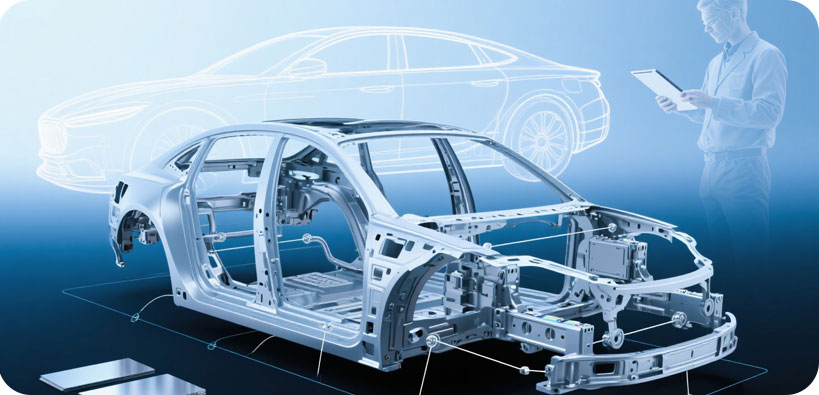
製品を見る従来のAI、センサー市場と新エネルギー車市場の急速な成長により、当社はアルミニウムAI、センサー部品を主要な開発方向として決定しました。今年、当社の加工工場はIATF16949の認証を取得しました。インパクトビーム、バンパー、ボディ構造物、コンバーターブラケット等の部品生産に強みを持ち、英国ジャガー&ランドローバー社に安定供給しています。ジャガーXE、XF、Fペイス、Iペイスに当社の部品が採用されています。一方、中国の有名企業と共同で新エネルギー車向けの新製品を開発中です。
-
 製品を見る
製品を見る従来のAI、センサー市場と新エネルギー車市場の急速な成長により、当社はアルミニウムAI、センサー部品を主要な開発方向として決定しました。今年、当社の加工工場はIATF16949の認証を取得しました。インパクトビーム、バンパー、ボディ構造物、コンバーターブラケット等の部品生産に強みを持ち、英国ジャガー&ランドローバー社に安定供給しています。ジャガーXE、XF、Fペイス、Iペイスに当社の部品が採用されています。一方、中国の有名企業と共同で新エネルギー車向けの新製品を開発中です。
-
 製品を見る
製品を見る従来のAI、センサー市場と新エネルギー車市場の急速な成長により、当社はアルミニウムAI、センサー部品を主要な開発方向として決定しました。今年、当社の加工工場はIATF16949の認証を取得しました。インパクトビーム、バンパー、ボディ構造物、コンバーターブラケット等の部品生産に強みを持ち、英国ジャガー&ランドローバー社に安定供給しています。ジャガーXE、XF、Fペイス、Iペイスに当社の部品が採用されています。一方、中国の有名企業と共同で新エネルギー車向けの新製品を開発中です。
-
 製品を見る
製品を見る従来のAI、センサー市場と新エネルギー車市場の急速な成長により、当社はアルミニウムAI、センサー部品を主要な開発方向として決定しました。今年、当社の加工工場はIATF16949の認証を取得しました。インパクトビーム、バンパー、ボディ構造物、コンバーターブラケット等の部品生産に強みを持ち、英国ジャガー&ランドローバー社に安定供給しています。ジャガーXE、XF、Fペイス、Iペイスに当社の部品が採用されています。一方、中国の有名企業と共同で新エネルギー車向けの新製品を開発中です。

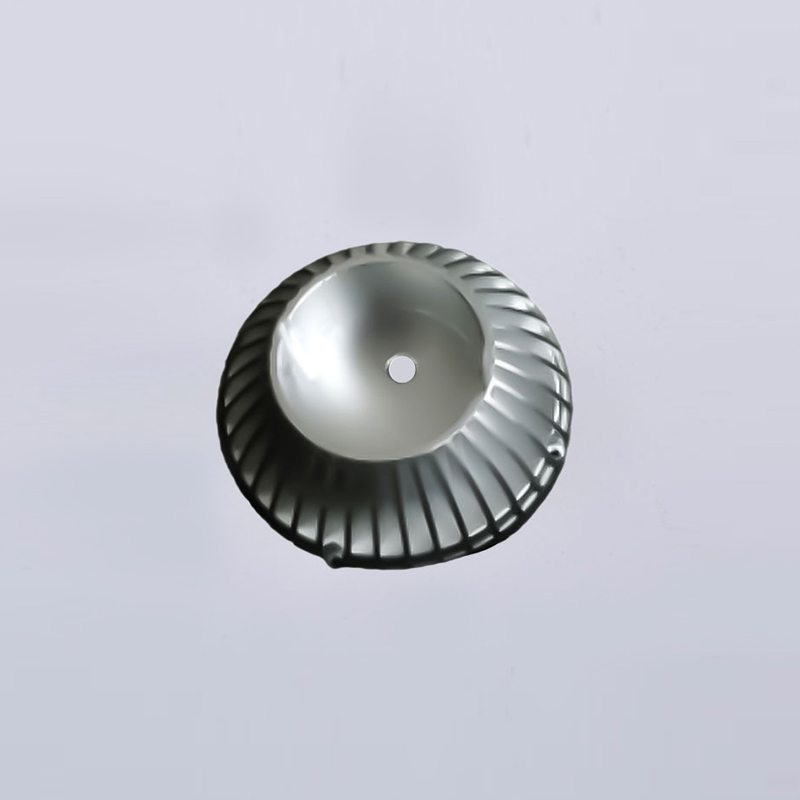
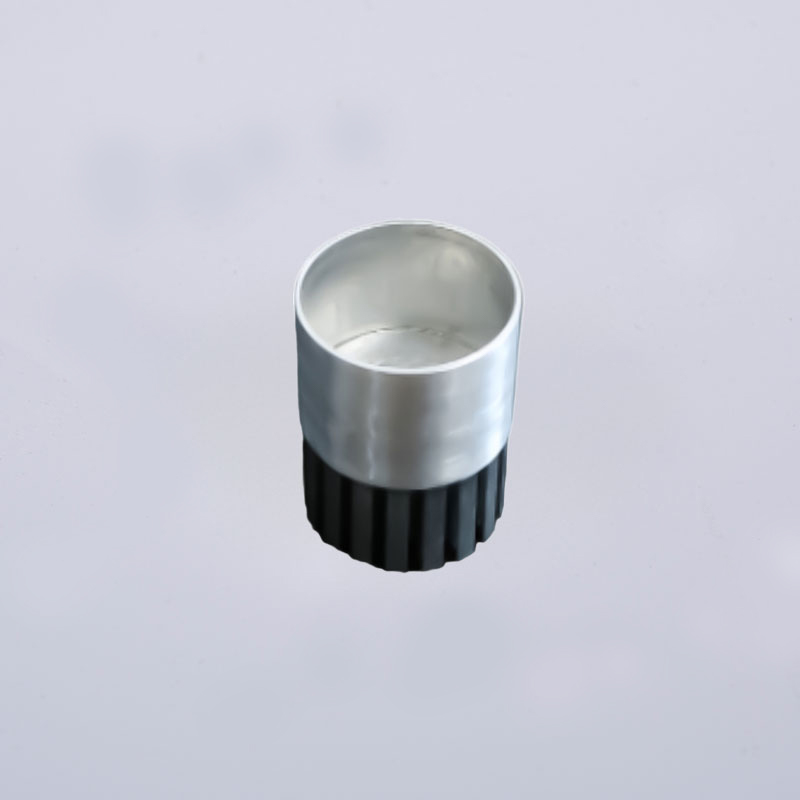
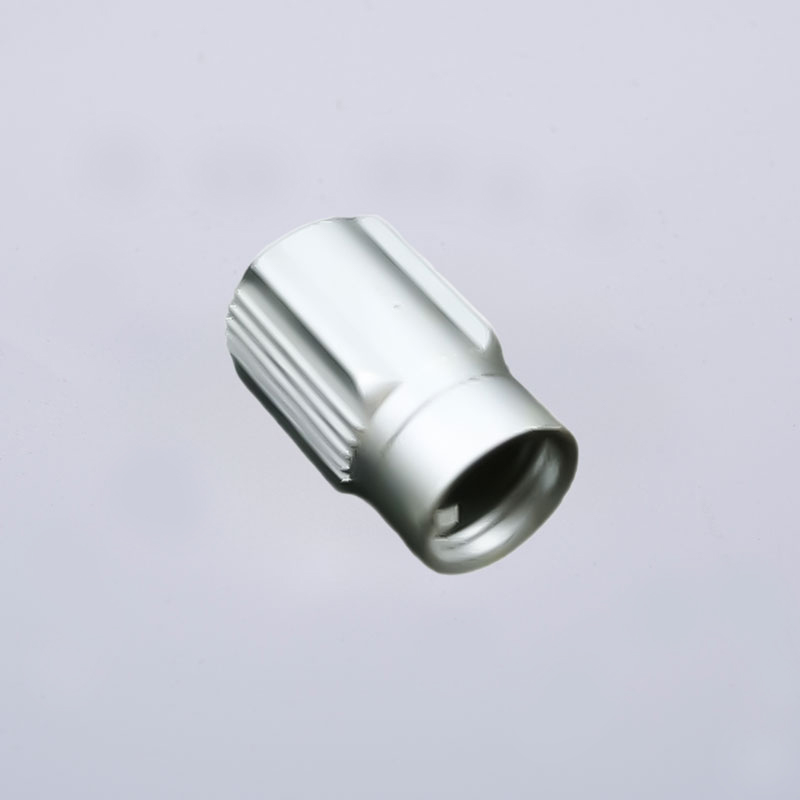
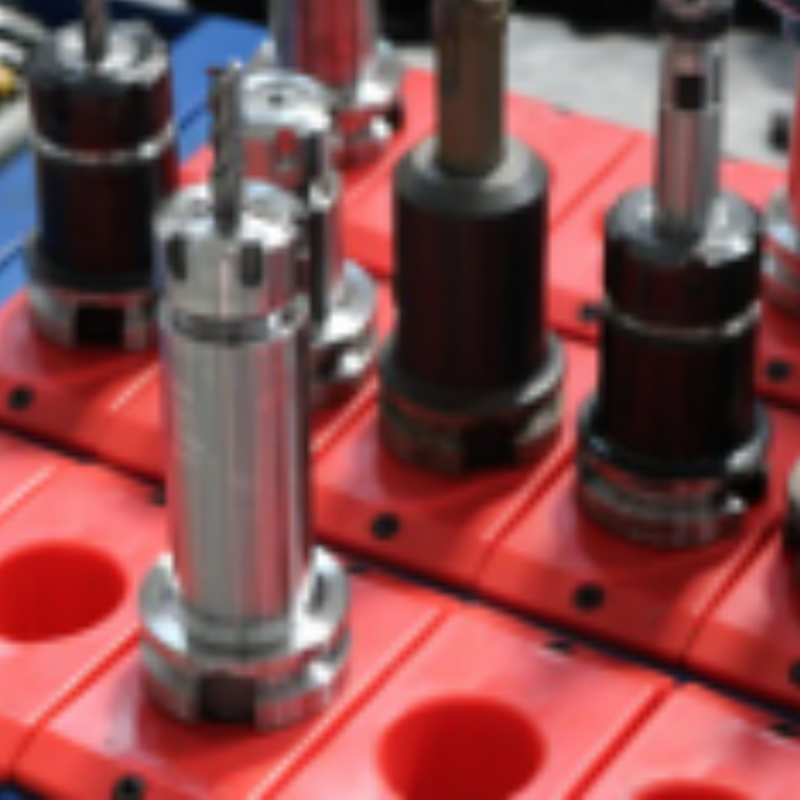
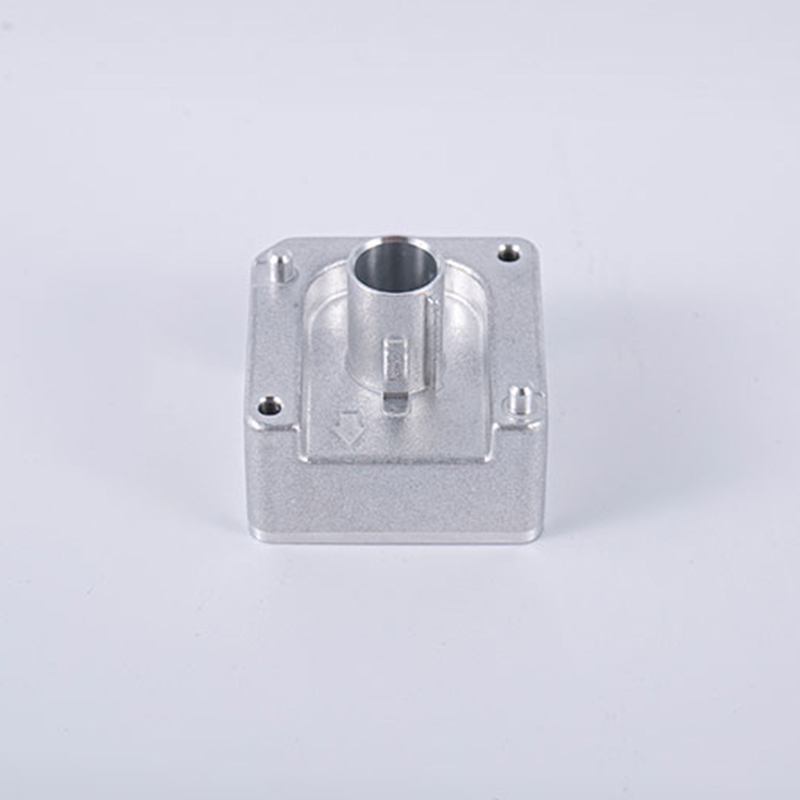
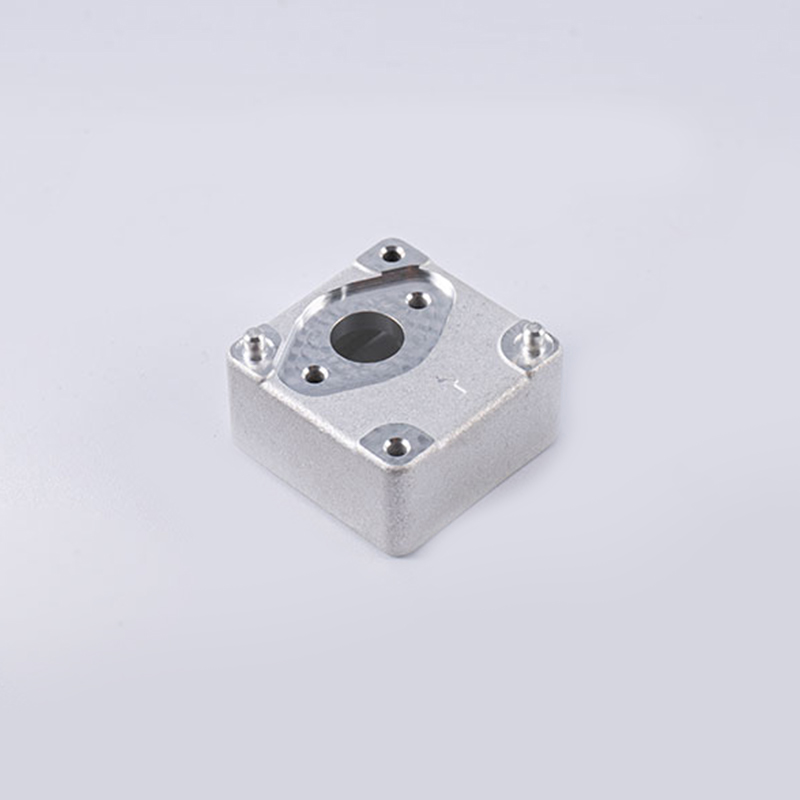
アルミニウム冷間鍛造部品
アルミニウム冷間鍛造部品
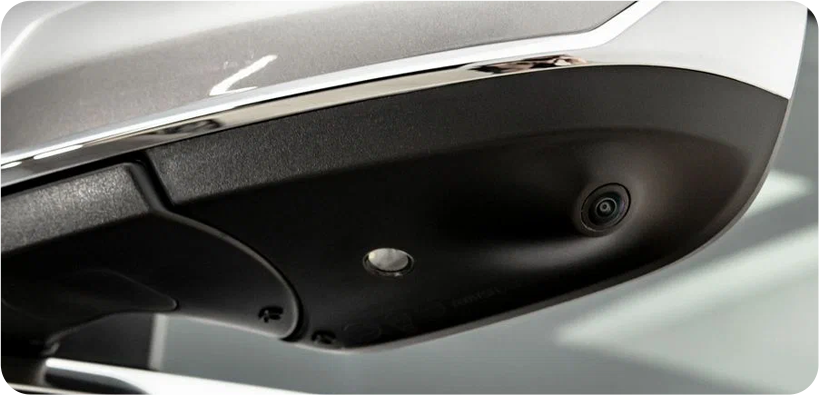
同社はアルミニウム自動車部品に注力し、IATF16949認証を取得した衝突防止ビーム、車体構造部品などを生産し、ジャガー・ランドローバーの複数モデルに安定供給すると同時に、国内企業と協力して新エネルギー車部品の開発にも取り組んでいる。
製品の表面粗さは低く、変形の強化効果により製品の強度も向上します。

私たちについて
Longto Precision Industry (Zhejiang) Co., Ltd.
Longto Precision は
China アルミニウム冷間鍛造部品メーカー そして カスタムアルミニウム冷間鍛造部品サプライヤー, アルミニウム合金製品の研究開発および製造に注力しており、
20本の押出ラインとCNC加工センターを備え、完全統合型の技術を有しています。
ジャガー・ランドローバーをはじめとする海外顧客に長年にわたりサービスを提供しており、製品は英国、ドイツ、日本、
米国に輸出され、AI、センサーのインテリジェントドライビングシステムや高精度電子機器に幅広く使用されています。
-
 熟練労働者: 100人以上
 -
 推定出力額:3億円以上
 -
 年間生産能力: 3,000万台

ニュース
全て
会社ニュース
業界ニュース
アルミニウム冷間鍛造部品 業界知識
Understanding the Mechanical Properties of Aluminium Cold Forging Parts in Modern Manufacturing
Introduction
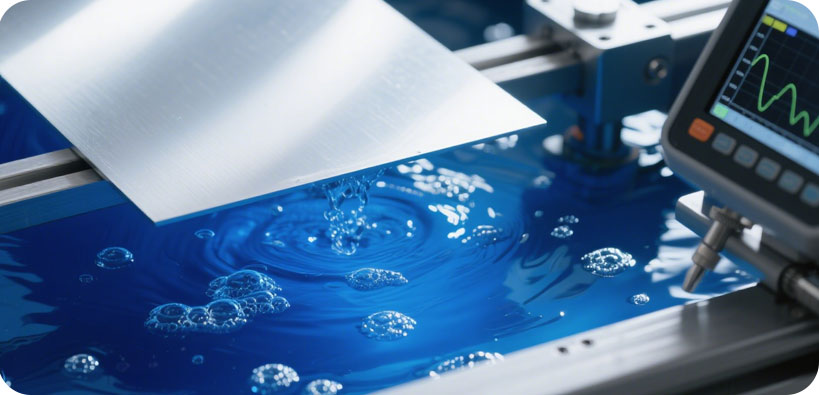
Aluminium cold forging is a manufacturing process where aluminum alloys are shaped at or near room temperature using high-pressure dies. This process enhances mechanical properties without the need for high-temperature treatment, making it ideal for modern industries such as automotive, aerospace, electronics, and precision engineering.
Key Mechanical Properties
Strength
Cold forging increases the tensile strength of aluminum components through work hardening. The repeated deformation during the forging process realigns the metal grains, reducing dislocations and enhancing load-bearing capacity. Compared to cast or machined aluminum parts, cold-forged components often exhibit higher yield strength while maintaining lightweight characteristics.
Ductility
Despite the strengthening, aluminium cold forging parts retain adequate ductility. Proper die design and lubrication are essential to prevent cracking or excessive brittleness. High ductility ensures that components can absorb impact and tolerate slight deformation without failure, which is crucial in automotive and aerospace applications.
Fatigue Resistance
Cold forging improves fatigue resistance due to refined grain structure and residual compressive stresses induced during the process. Components such as engine brackets, transmission housings, and structural frames benefit from this property, extending service life under cyclic loading conditions.
Corrosion Resistance
Aluminium alloys inherently offer excellent corrosion resistance. Cold forging does not compromise this property, and in some cases, the smooth surface finish from forging reduces micro-crevices where corrosion could initiate, further enhancing durability in harsh environments.
Advantages in Modern Manufacturing
Dimensional Precision: Cold forging allows tight tolerances and consistent shapes, reducing the need for secondary machining. Lightweight Construction: Aluminium parts combine high strength-to-weight ratio, critical for fuel efficiency in automotive and aerospace sectors. Cost Efficiency: Reduced material waste and high production speed make cold forging economical for large-scale manufacturing. Sustainability: The process consumes less energy compared to hot forging, aligning with green manufacturing principles.
Typical Applications
Automotive engine and chassis components Aerospace structural parts Electrical connectors and housings Consumer electronics frames and casings Understanding the mechanical properties of aluminium cold forging parts is essential for optimizing their performance in modern manufacturing. Through a combination of strength, ductility, fatigue resistance, and corrosion resistance, these components provide high reliability while supporting lightweight and energy-efficient designs.
Comparing Aluminium Cold Forging Parts with Hot Forged and Machined Alternatives
Introduction
Aluminium cold forging, hot forging, and machining are three widely used methods for producing aluminum components. Each method has unique advantages and limitations depending on material properties, production volume, and application requirements. Cold forging is performed at or near room temperature, enhancing strength through work hardening while maintaining dimensional precision. Hot forging involves high-temperature processing, providing excellent ductility and toughness. Machining offers flexibility for complex shapes but often results in higher material waste and longer production times.
Mechanical Properties Comparison
| Property | Cold Forging | Hot Forging | Machining |
|---|---|---|---|
| Strength | High (due to work hardening) | Moderate to high | Depends on base material |
| Ductility | Moderate | High | High |
| Surface Finish | Excellent | Good | Excellent |
| Dimensional Accuracy | High | Moderate | Very high |
| Production Efficiency | High (mass production) | Moderate | Low to moderate |
| Material Waste | Low | Low | High |
Advantages of Aluminium Cold Forging
- Provides higher tensile strength due to work hardening. - Ensures tight dimensional tolerances and consistent quality. - Produces minimal material waste, making it cost-efficient for large-scale production. - Smooth surface finish often reduces the need for secondary processing. - Suitable for mass production of automotive parts, electronics, and aerospace components.
Company Application: Longto
Longto focuses on the technological development, manufacture, and trade of aluminum alloy products. The company’s extrusion factory has 20 extrusion lines ranging from 600 tons to 6,000 tons, supported by 2 anodizing lines and 3 powder coating lines. The machining workshop is equipped with CNC machines, milling machines, lathes, drilling machines, and punching machines. Longto also benefits from long-term cooperative sub-contract factories for plastic and stainless steel accessories. With this robust production capability, Longto has become an aluminum product production base for many well-known companies in both domestic and overseas markets. Its cold extrusion products have successfully entered the U.K. and U.S. markets, including automotive applications for Jaguar & Land Rover, supplying parts for models such as XE, XF, F-Pace, and I-Pace. Aluminium cold forging parts offer a unique combination of high strength, dimensional precision, and production efficiency, making them an attractive alternative to hot forged and machined components for modern manufacturing. Companies like Longto leverage advanced equipment and strong partnerships to deliver high-quality cold forged parts for automotive and other high-demand industries.

-
電話番号
+86-0572-2210226電話番号
+86-13819283977 +86-13567228000 +86-13655726561住所
中国浙江省湖州市燕三路288号創新創業産業園B棟QRコード
-
クイックリンク
ホーム 製品 会社情報 生産工場 産業 ニュース お問い合わせ -
製品一覧
車両用アルミ製カメラ筐体 アルミニウム冷間押出 アルミニウム冷間鍛造部品 -
お気軽にお問い合わせください
著作権 © Longto Precision Industry (Zhejiang) Co., Ltd. 無断転載を禁じます。
卸売り精密アルミハウジング、冷間押出部品工場
